Tree · Land · Bee
Tree planting, land care and beekeeping. Whanganui through to Wellington.
Carl Breakwell · 15 years beekeeping · 6 years tree planting and spraying · Site Wise Green & Growsafe accredited.
What we do
Services
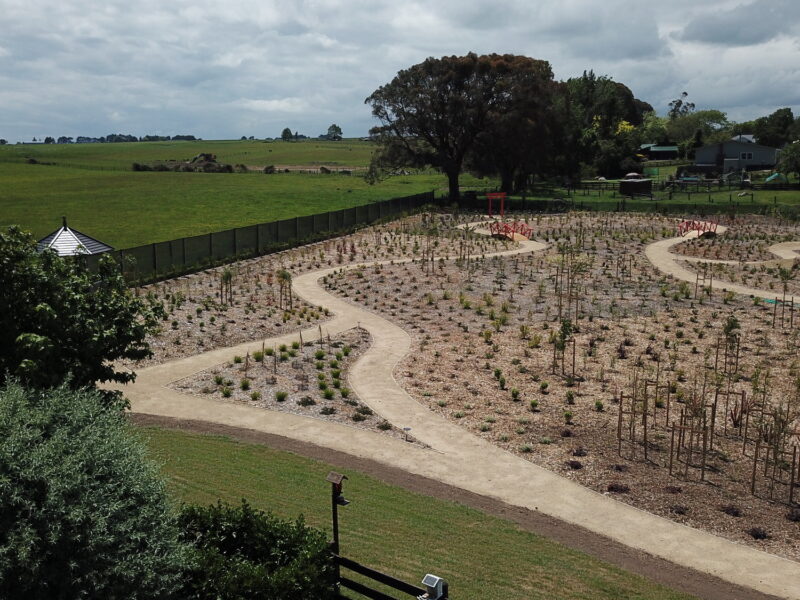
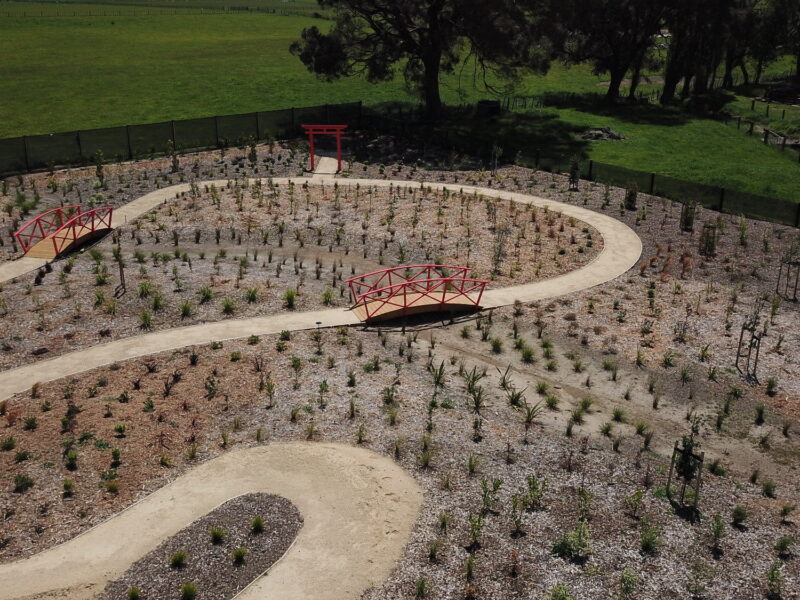
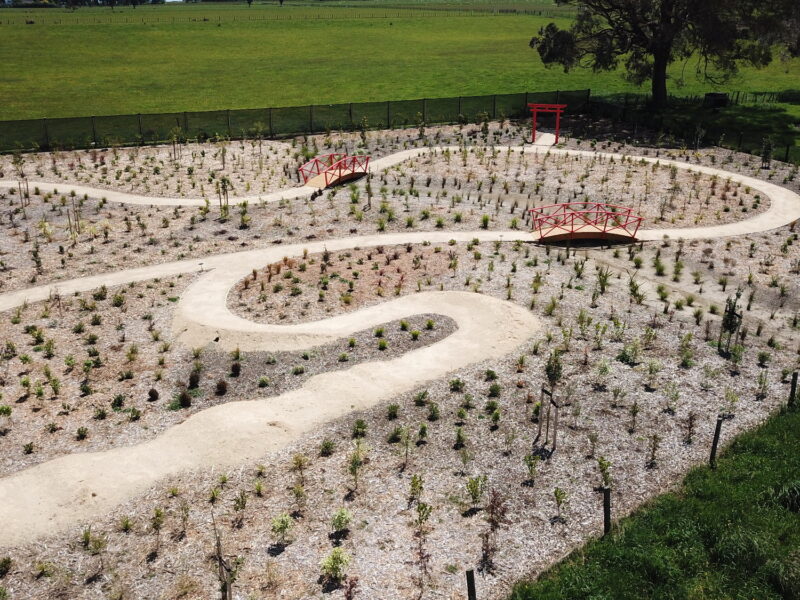
Tree Planting
Native and exotic plantings, from a single tree to multi-hectare blocks.
Read moreRelease Spraying
Targeted spraying around young trees so they actually survive their first two summers.
Read moreWeed Spraying
Gorse, blackberry, broom, old man's beard. The usual lower North Island suspects.
Read moreScrub Cutting
Hand and chainsaw clearing for regrowth, planting prep, or sightlines.
Read moreTree Management
Health checks, pruning, shaping, and removals. Full clean-up included.
Read moreLandscaping
Planting beds, native grasses, mulch, edging, stone. Residential and commercial.
Read moreEcosystem Restoration
Riparian, wetland, gully, and weed-to-native conversion. Long-form work.
Read morePest Plant Control
Cutting, lopping, and stem-treating woody and climbing pest plants. Without spraying everything in sight.
Read moreBeekeeping
Hive placement, honey-flow management, and pollination support. Fifteen years experience.
Read moreBee & Wasp Removal
Live bee swarm catching, hive relocation, and wasp nest eradication.
Read moreRecent work
On the ground
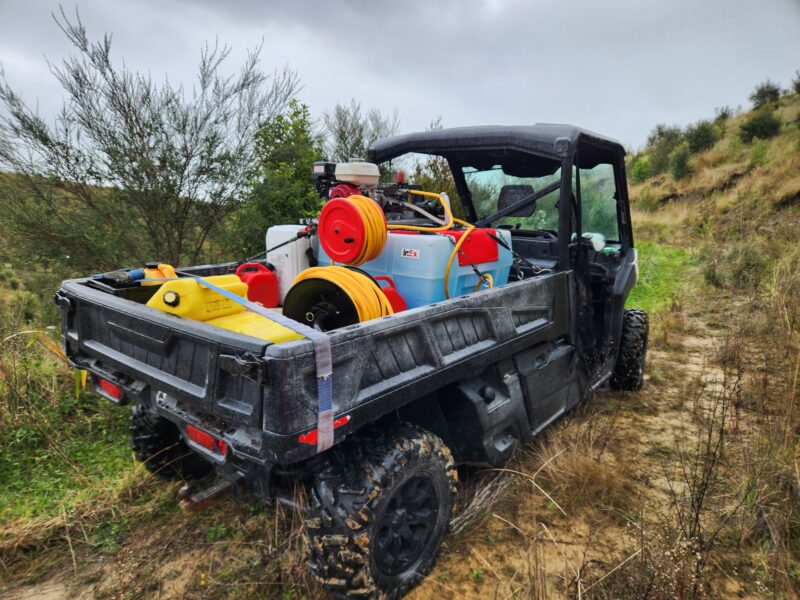
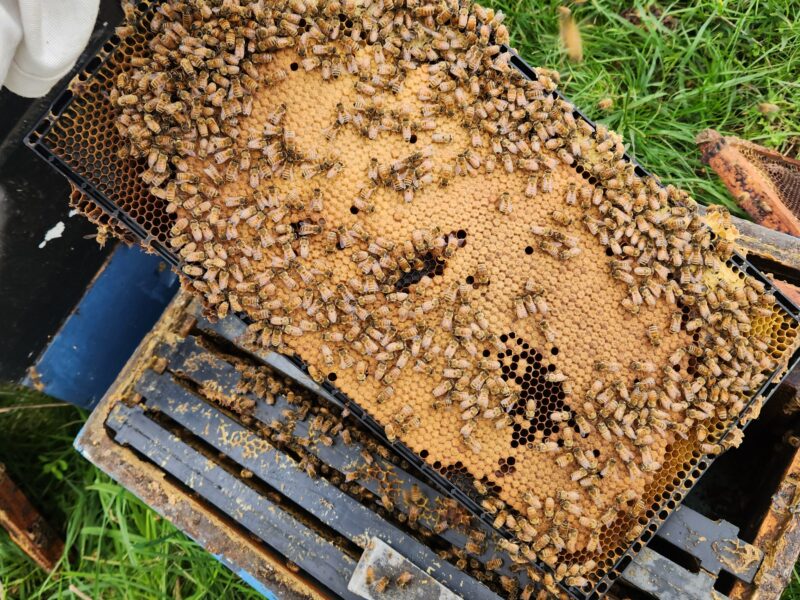
About
Working with nature, not against it.
Fifteen years of beekeeping behind me, and a long stretch as a sole trader before I incorporated Api Nectar Limited in 2020. The work started in beekeeping, and through the cross-over between trees and bees stepped into tree management. A lot of it comes back to helping the bees and the ecosystems that grow around them. It's a real passion of mine to work with nature, and to bring back areas that would otherwise be left to weeds and invasive plants.
Carl Breakwell
Common questions
Things people ask
What areas do you cover?
Do you do residential or rural work?
When is the best time of year to plant natives?
Do you supply the plants or do I?
What does release spraying actually do?
Can you remove a wasp nest or catch a bee swarm?
How do you handle pest plants like old man's beard or woolly nightshade?
Are you certified for spraying and on-site safety?
Do you have a DECA for the bee work?
How quickly do you respond to enquiries?
Do you do small jobs?
Got a job in mind?
Tell us what you've got and we'll come back with a quote within a couple of working days.